Brief Bio
My name is Logan Thrasher Collins. I am working to make science fiction into reality and change the world for the better. I plan to eventually develop massively scalable gene therapies which tackle debilitating mental illnesses and brain diseases, helping create a happier and healthier future for humanity. This is my story so far:
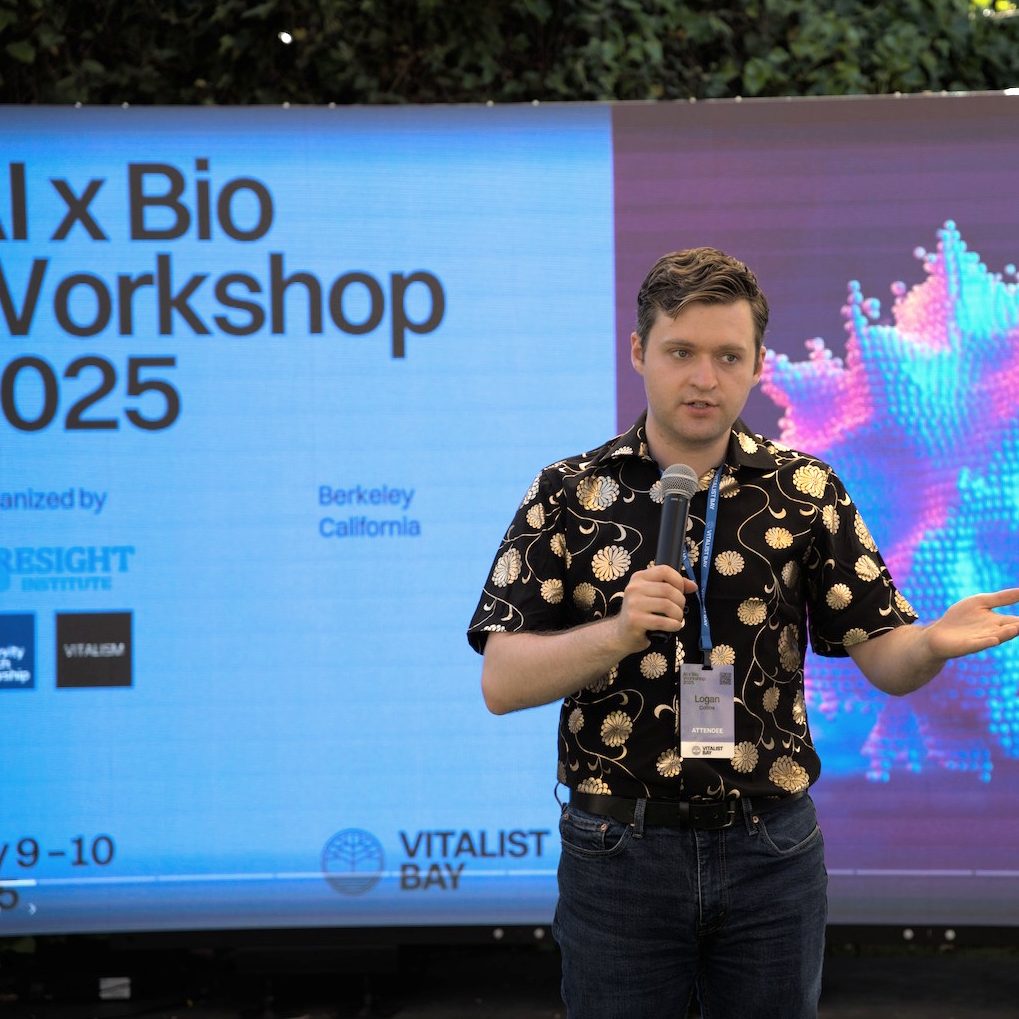
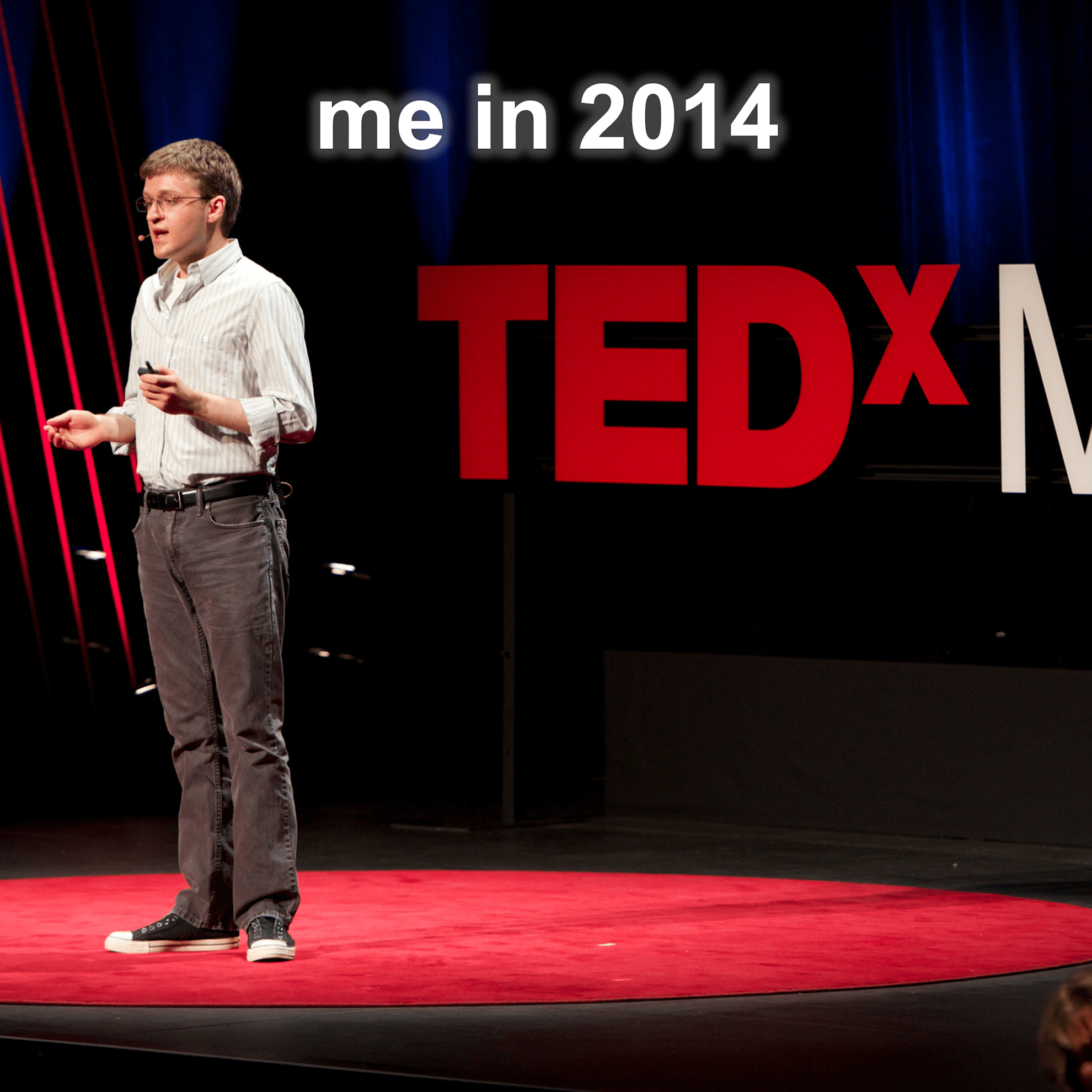
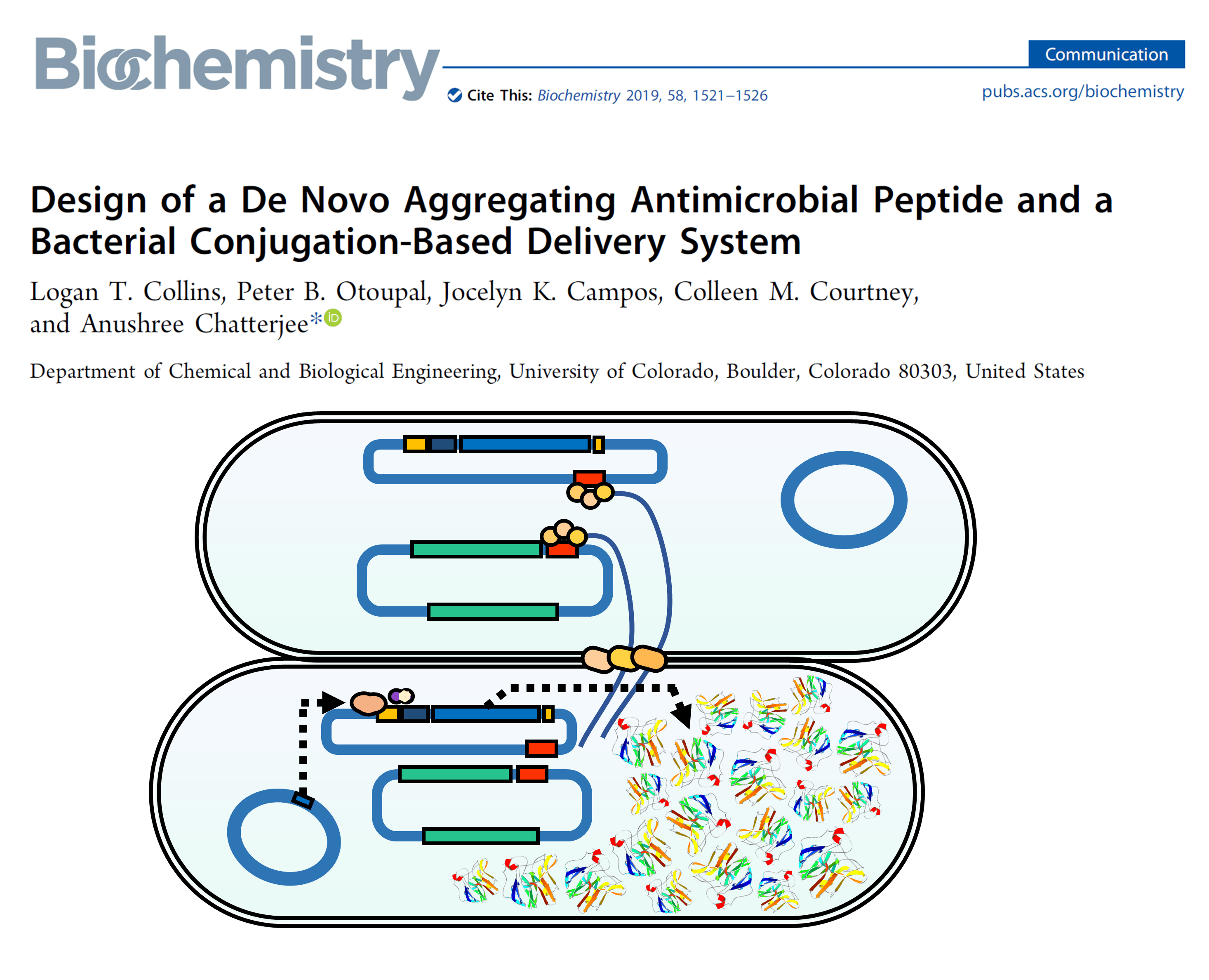
When I was 16 years old, I joined a university research laboratory to pursue my synthetic biology idea for developing an aggregating antimicrobial peptide as a new way of fighting antibiotic resistance. This research was honored with one of the top awards at the International Science and Engineering Fair (ISEF). In addition, my research provided me with opportunities to present a TEDx talk and to attend the Nobel Prize ceremonies. In college, I published my synthetic biology research in a scientific journal. I also explored research on new methods for connectomics. During the COVID-19 pandemic, I led a team at Conduit Computing to study SARS-CoV-2 budding using molecular dynamics simulations. As a PhD candidate at Washington University in St. Louis, I have developed new gene therapy delivery systems. One of my inventions “vaultAAV” offers a potential solution to the problem of preexisting immunity against AAV gene therapies, a major clinical challenge. With the goal of moving vaultAAV towards helping human patients, I founded a biotech company called Cathedral Therapeutics. Cathedral was acquired by [stealth-mode biotech] in early 2025. I remain on the board of directors and scientific advisory board at Cathedral. I am now working closely with [stealth-mode biotech] to further develop the vaultAAV technology. As I near the completion of my PhD, I am excited to continue into the next chapters of my lifelong adventure!
Publications
Extended Bio
My name is Logan Thrasher Collins and I am working to make science fiction into reality and change the future for the better. I am a futurist, synthetic biologist, author, and innovator.
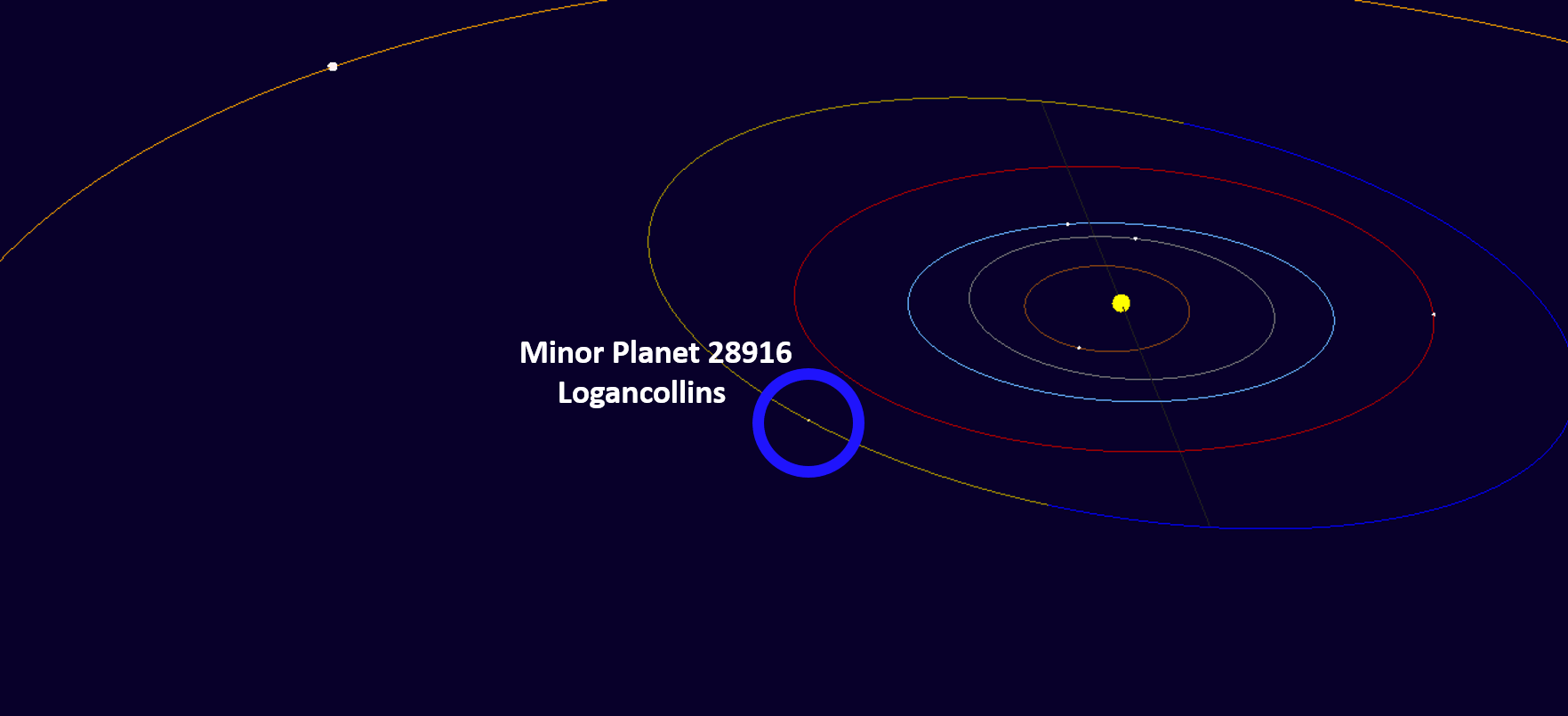
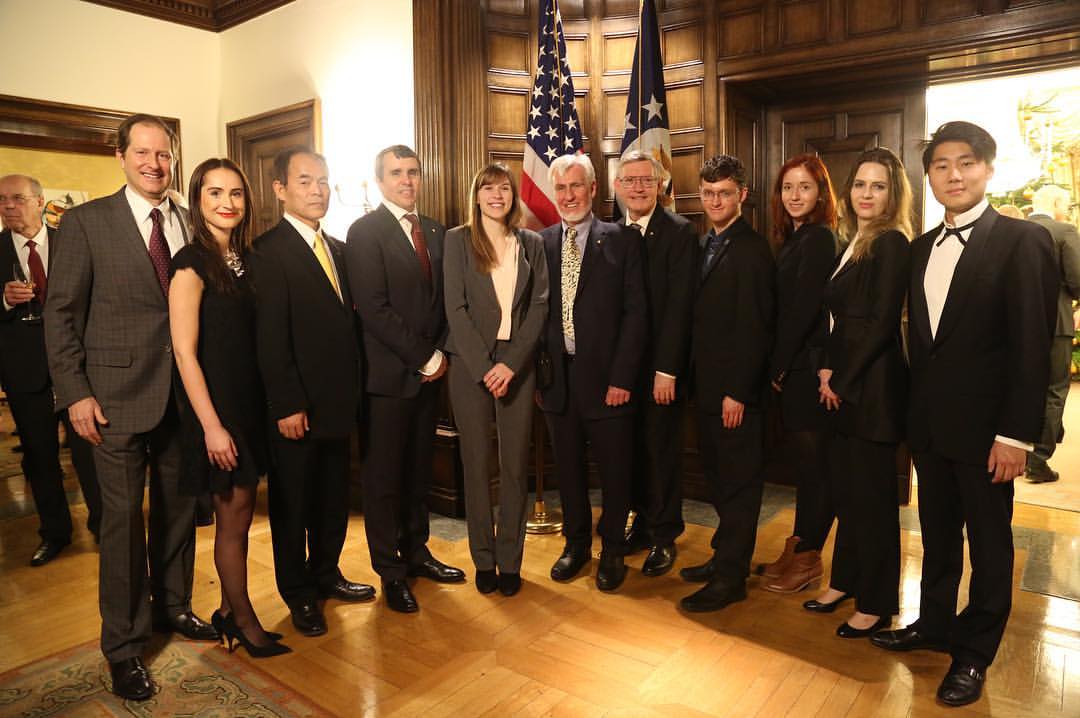
When I was 16 years old, I invented a new antimicrobial protein, OpaL (Overexpressed protein aggregator Lipophilic). I next developed a bacterial conjugation delivery system for the gene encoding OpaL. My synthetic biology research has been published as a first-author journal article in ACS Biochemistry: “Design of a De Novo Aggregating Antimicrobial Peptide and a Bacterial Conjugation-Based Delivery System.” If you cannot access the full text, please use the following local file instead. This synthetic biology research has been recognized at numerous venues including my presentation at TEDxMileHigh, the Intel International Science and Engineering Fair (ISEF), the International BioGENEius Challenge at the BIO International Convention, and at the American Society for Microbiology General Meeting. At Intel ISEF 2014, my synthetic biology research won 1st place in microbiology and best of category in microbiology ($8,000) as well as the Dudley R. Herschbach award. The latter included a trip to take part in the Nobel prize ceremonies via the Stockholm International Youth Science Seminar (SIYSS). As part of the honors at Intel ISEF, a minor planet was officially named Logancollins.
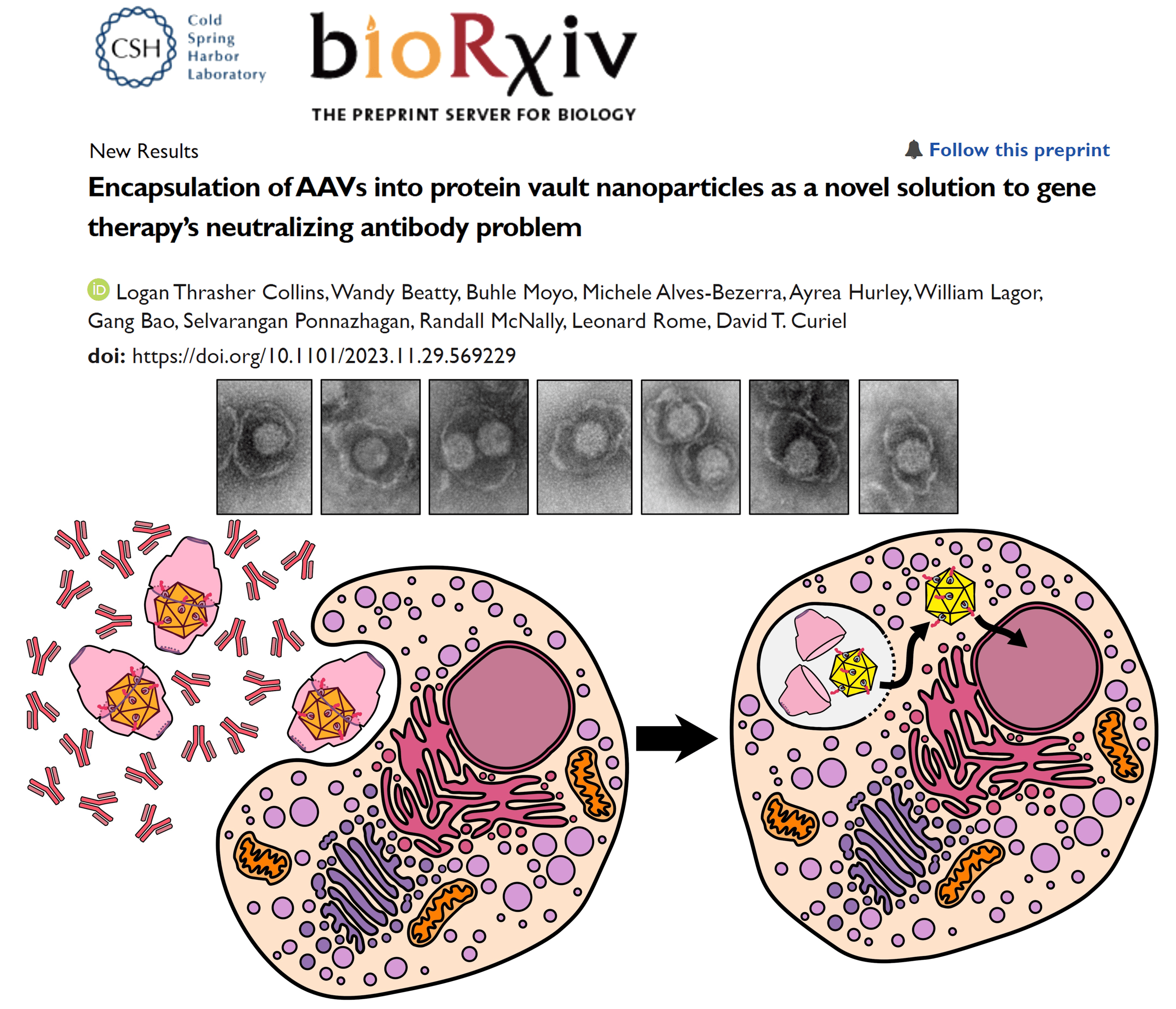
I am now a PhD candidate in biomedical engineering at Washington University in St. Louis where I am applying my background in synthetic biology and protein engineering to develop hybrid viral gene therapy platform technologies in Dr. David T. Curiel’s laboratory. I have been awarded an F31 NIH Ruth L. Kirschstein Institutional National Research Service Award grant to support my academic research. I have also previously received a T32 NIH Ruth L. Kirschstein Institutional National Research Service Award grant. I have developed a novel way of protecting adeno-associated virus (AAV) vectors from neutralizing antibodies using protein vaults. This is described in my first-author preprint “Encapsulation of AAVs into protein vault nanoparticles as a novel solution to gene therapy’s neutralizing antibody problem.” This work was featured in a news article from Science Magazine. To translate my vaultAAV technology I co-founded (along with David Curiel) a startup company called Cathedral Therapeutics, which received a small investment of $11,111 of pre-seed funding from the Soma Capital Project 31 program. I am an inventor (along with David Curiel) on a patent describing the vaultAAV technology. Cathedral Therapeutics was acquired by a larger company [stealth-mode biotech] in March 2025 (my first successful exit!) [Stealth-mode biotech] has created a new Cathedral Therapeutics commercial entity to translate the vaultAAV technology. I am a board member and a scientific advisory board member of Cathedral and I am actively guiding the translational efforts for vaultAAV.
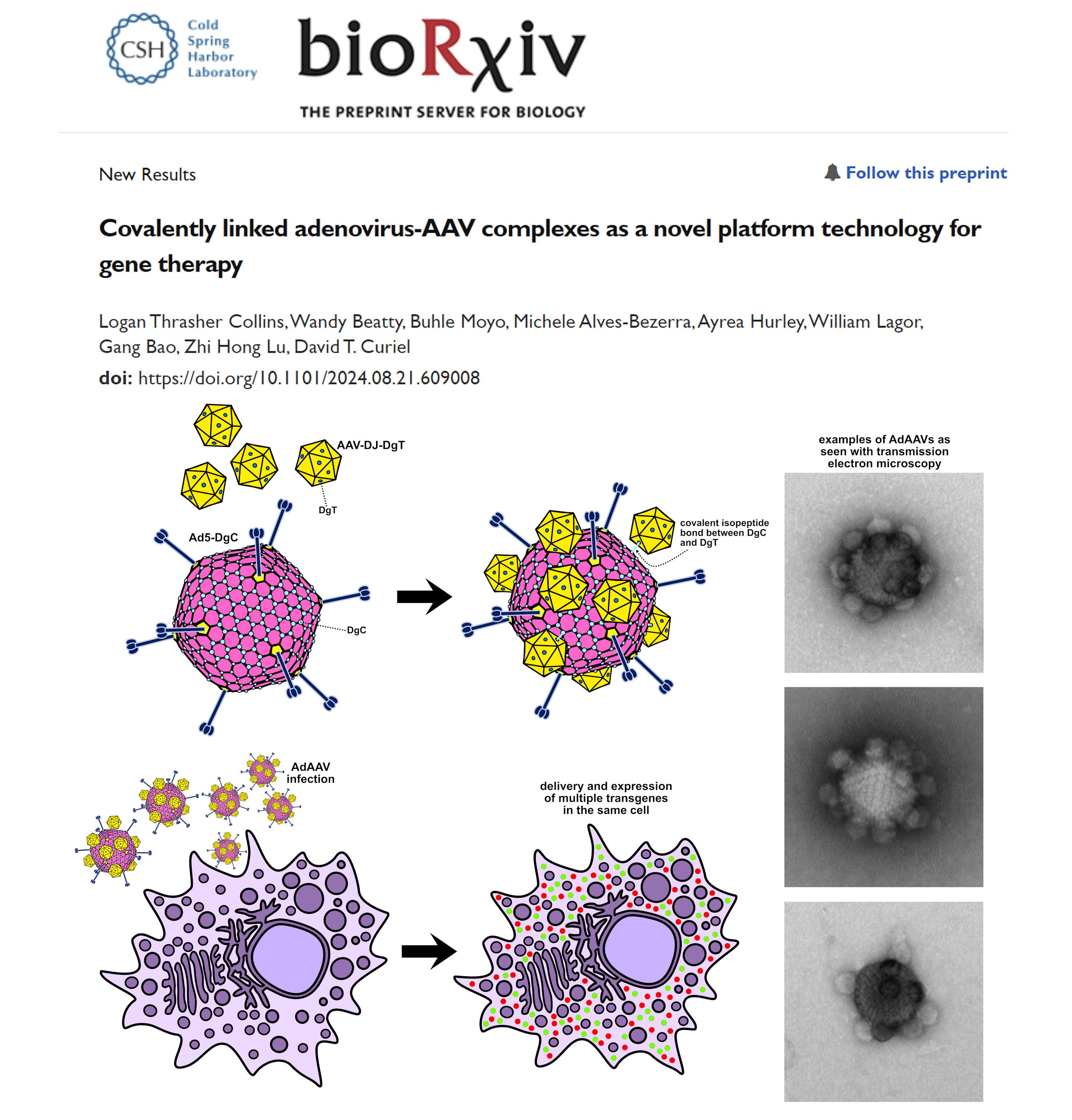
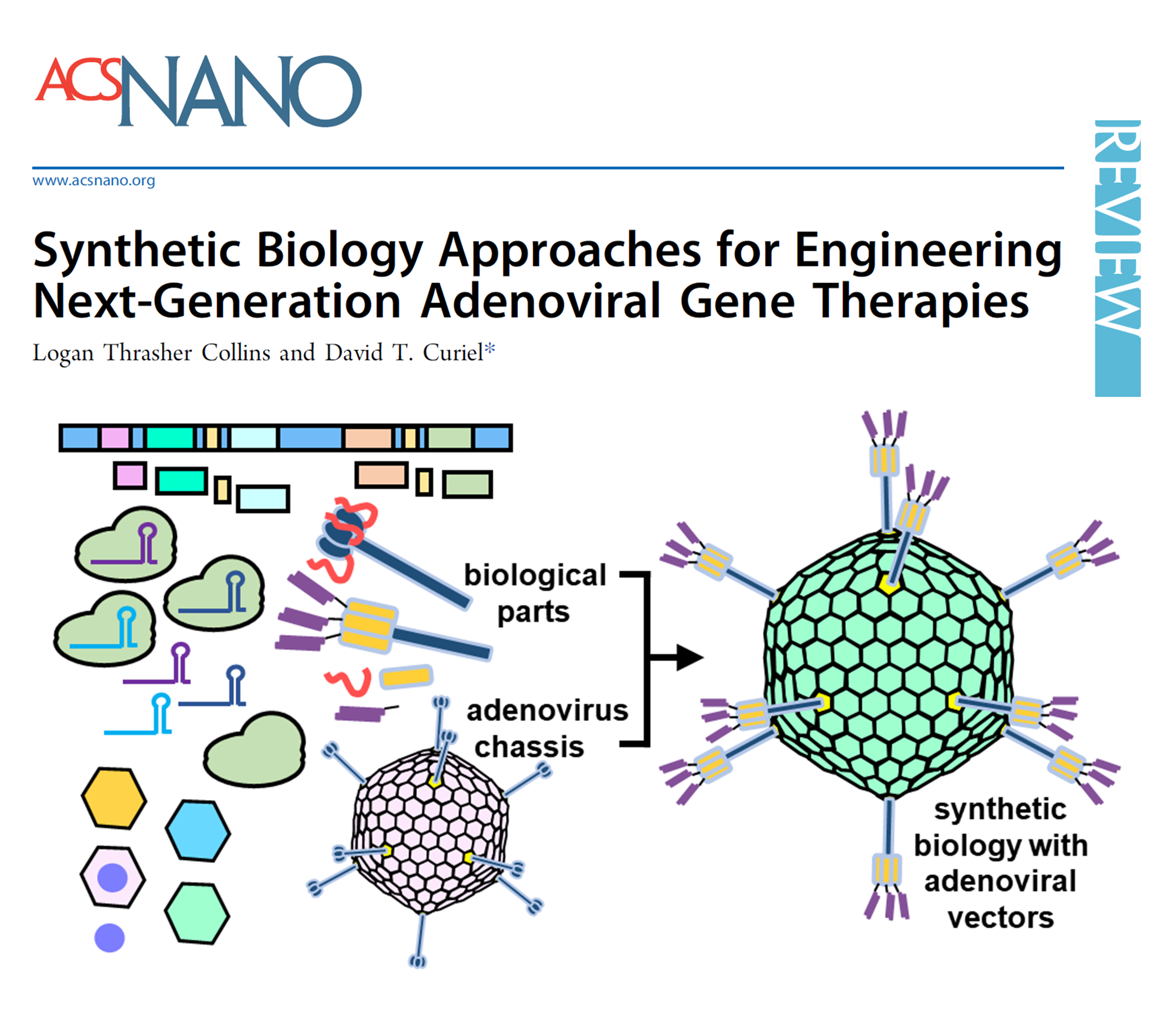
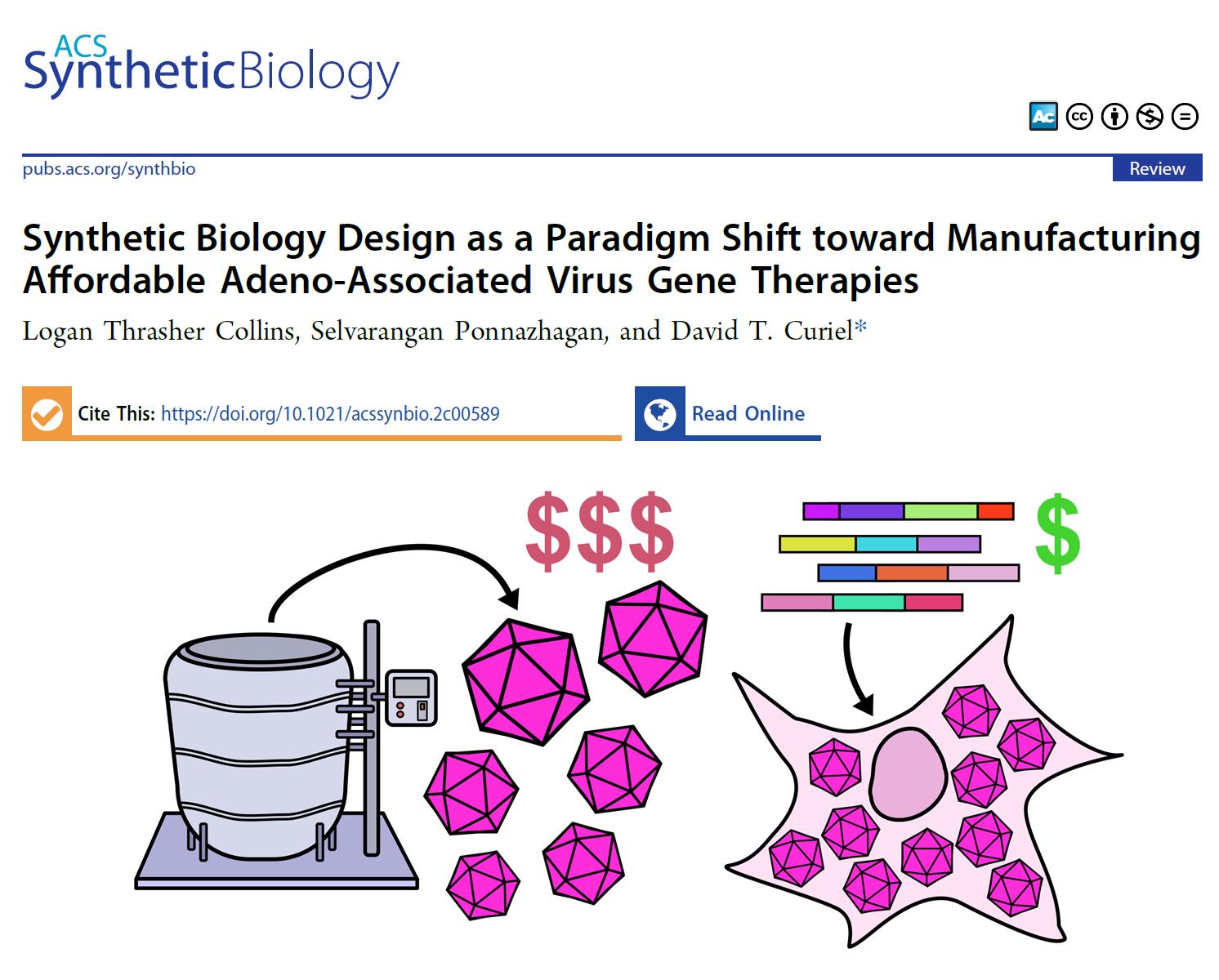
In another project within my PhD research, I am developing hybrid adenovirus-AAV (AdAAV) vectors where multiple AAVs are covalently linked to adenovirus as a new way of co-delivering multiple genes to the same cell. This is described in my first-author preprint: “Covalently linked adenovirus-AAV complexes as a novel platform technology for gene therapy.” In conjunction with my gene therapy research, I wrote a first-author review journal article which has been published in ACS Nano: “Synthetic Biology Approaches for Engineering Next-Generation Adenoviral Gene Therapies.” I also wrote a first-author review/perspective journal article which has been published in ACS Synthetic Biology: “Synthetic Biology Design as a Paradigm Shift toward Manufacturing Affordable Adeno-Associated Virus Gene Therapies.” This review/perspective was featured in a piece by GEN Genetic Engineering & Biotechnology News.
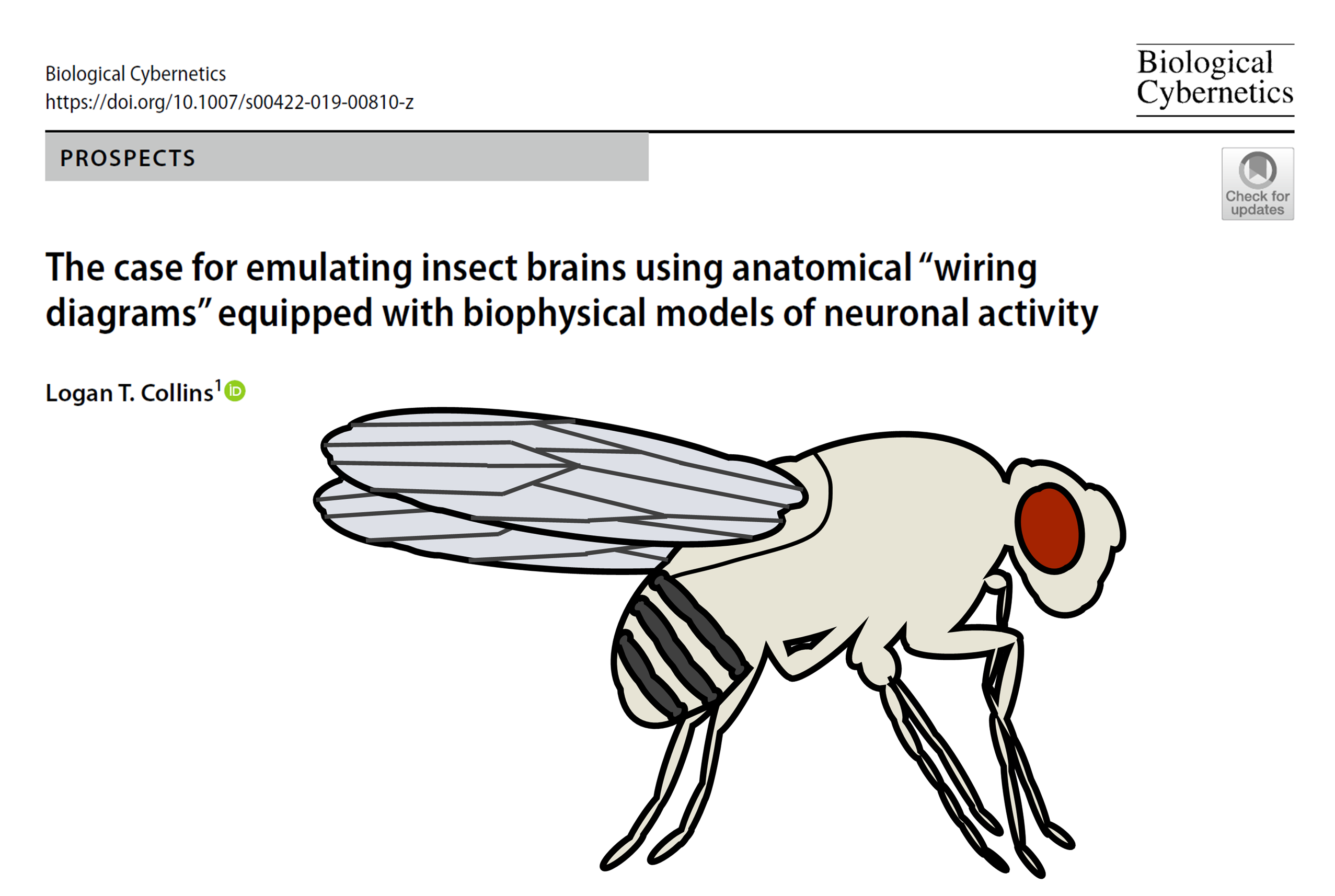
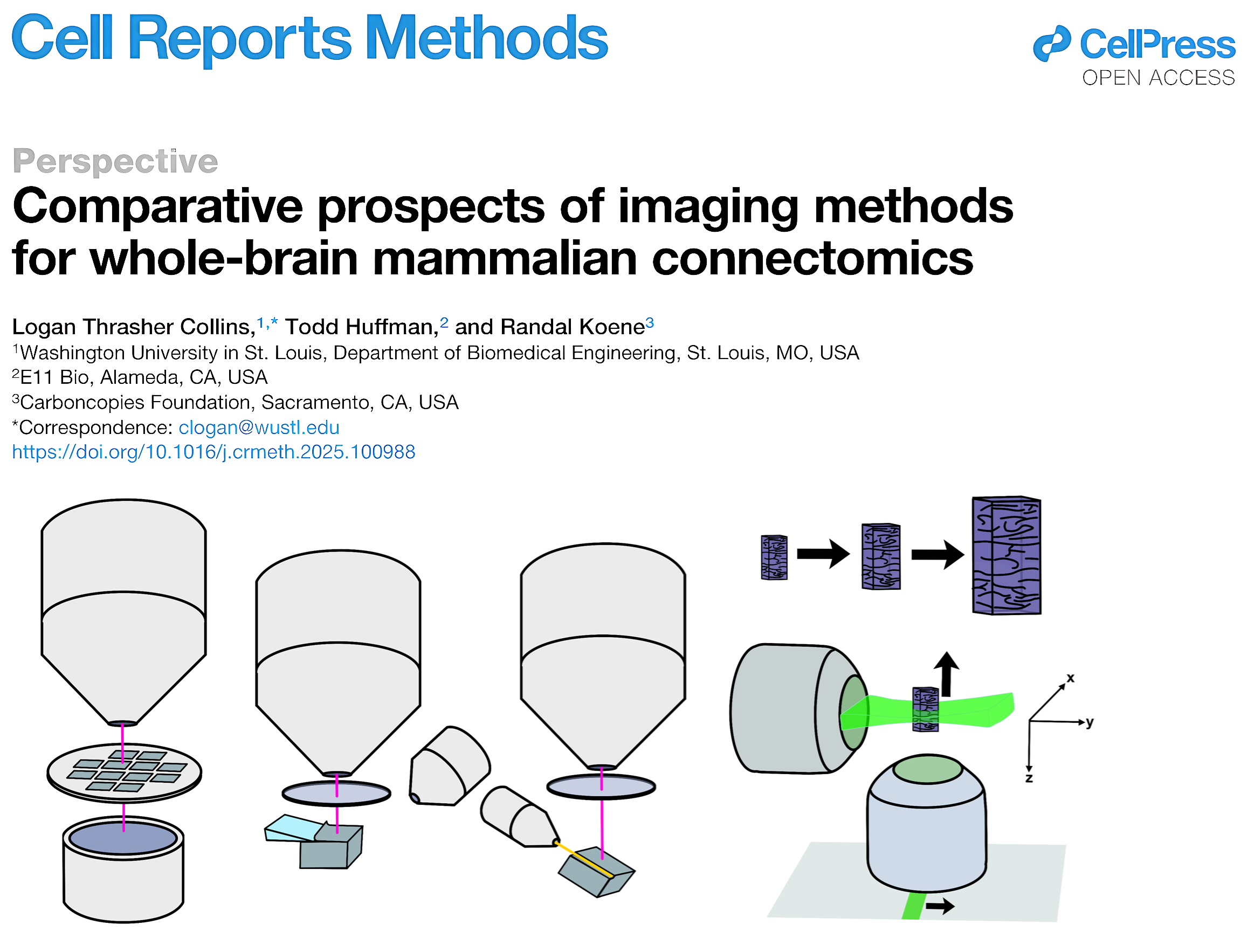
I am also working in the field of connectomics (brain mapping). During my time as an undergraduate, I developed a nanotechnology-based contrast agent for imaging brain tissue via x-ray microtomography. I received a $26,000 award to develop this technology through the Beckman Scholars Program and I acquired some proof-of-concept data. I presented this research at the Society for Neuroscience conference and the Beckman conference. I also wrote a sole-author editorial journal article on insect brain emulation which has been published in Biological Cybernetics: “The case for emulating insect brains using anatomical ‘wiring diagrams’ equipped with biophysical models of neuronal activity.” If you cannot access the full text, please use the following local file instead. This paper proposes creating biologically realistic simulations of insect brains and details a possible path towards that goal. As a Foresight Fellow in the Neurotech category, I have performed quantitative analyses of imaging techniques for connectomics which are described by my first-author perspective journal article published in Cell Reports Methods Comparative prospects of imaging methods for whole-brain mammalian connectomics and I developed a detailed proposal for a possible route towards imaging mouse and human connectomes (see Feasibility of mapping the human brain with expansion x-ray microscopy). I have furthermore established a collaboration with PanLuminate and I have been awarded $20,000 of funding from the Foresight Institute’s AI Safety grant program to acquire proof-of-concept data for expansion x-ray microscopy. I hope to obtain proof-of-concept imaging data for expansion x-ray microscopy over the course of the next year. If these data are promising, I will seek ways of scaling up to larger tissue volumes and eventually whole brains. Finally, I was a speaker at the Ethics and Philosophy of Brain Emulation workshop at the Mimir Center for Long Term Futures Research in Sweden, where I presented on Reexamining the neurobiological correlates of subjective experience for whole-brain emulation.
As someone who has always had a passion for bridging across the sciences and the humanities, I have written in the academic philosophy space as well. I am particularly interested in the philosophy and ethics of technology. To this end, I published a sole-author philosophy journal article titled “CyberGaia: Earth as cyborg” in the peer-reviewed journal Humanities & Social Sciences Communications. In the future, I am interested in expanding my writings to further academic publications in this area as well as to potentially writing books on philosophy, technology, and the future to communicate with the public.
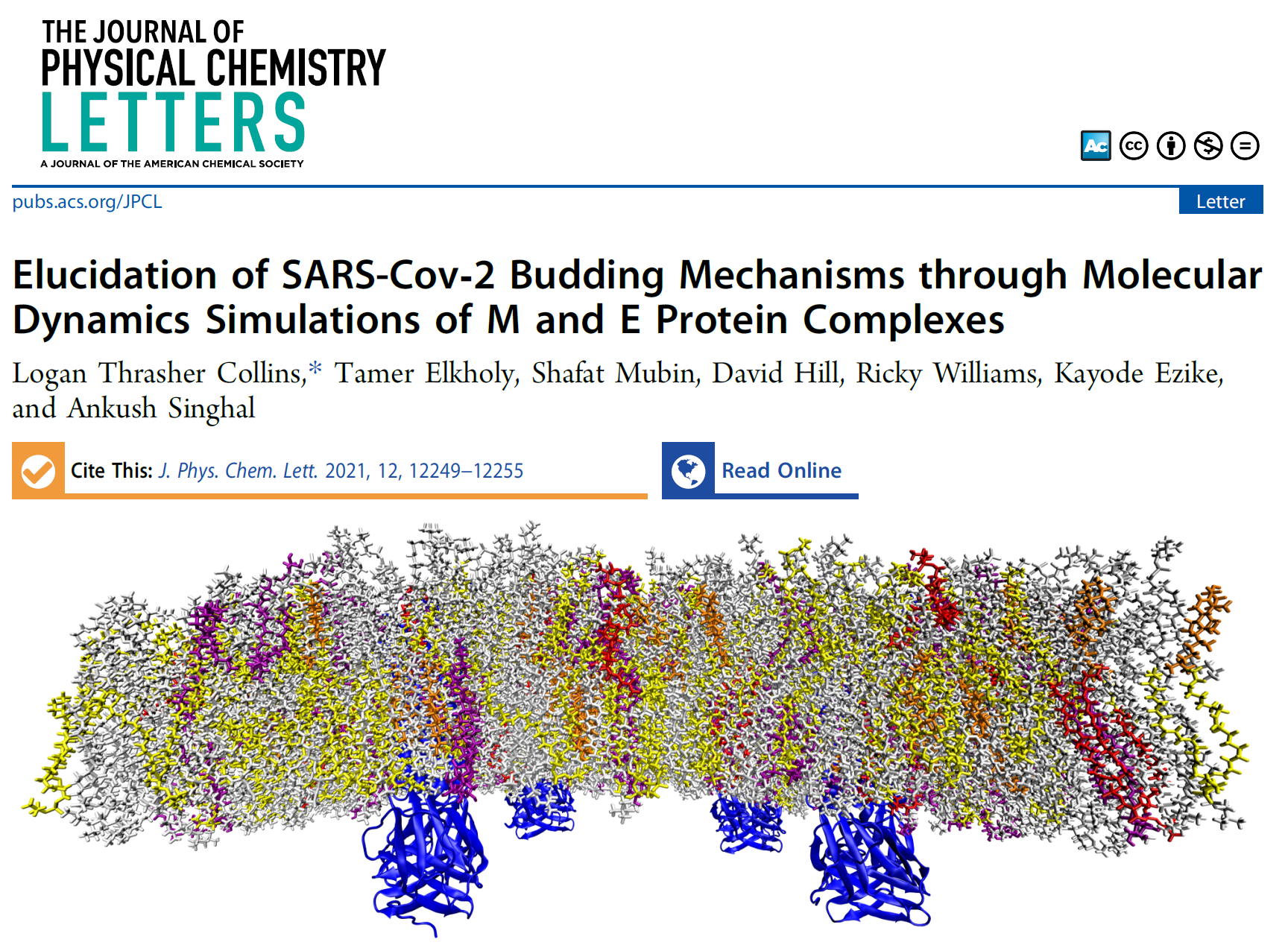
I previously worked as Chief Technology Officer (CTO) at Conduit Computing. At Conduit, I led a nonprofit discovery-oriented supercomputing project which allowed visualization of how the constituent proteins of SARS-CoV-2 work to construct whole viruses. For this research, I am the first author (and corresponding author) on a journal article which has been published in the ACS Journal of Physical Chemistry Letters: “Elucidation of SARS-Cov-2 Budding Mechanisms through Molecular Dynamics Simulations of M and E Protein Complexes“. My and my team’s paper gives mechanistic explanations of SARS-CoV-2 budding and provides a foundation for the development of drugs which might treat COVID-19 and similar diseases. The story of this research starts at the beginning of the pandemic when my original grant proposal was accepted by the COVID-19 HPC Consortium. The consortium is a U.S. government initiative which brought together supercomputer resources from academia and industry to help fight the COVID-19 pandemic. My team was matched with Frontera, the 4th most powerful supercomputer in the world at the time we were matched. We used this supercomputer to implement our simulations of coronavirus budding. I was featured by the computing news site HPCwire as well as by Re.engineer Magazine for my work leading this project. Also at Conduit, I led design of a novel home diagnostic for infectious diseases (including SARS-CoV-2) called nanoSPLASH. Though nanoSPLASH is still at an early R&D stage, it has potential to empower people to diagnose numerous different types of infections at home in less than thirty minutes. I am listed as an inventor on a full patent describing nanoSPLASH. Conduit continues to seek ways of further developing and commercializing the device.
In addition to research, I write science fiction and sci-fi poetry. For me, writing is both intrinsically rewarding and helps to stimulate my imagination and shape my scientific endeavors. My writing fuels my science and my science fuels my writing.
My published sci-fi poems include The Sonata Machine (Andromeda Spaceways Magazine), Neuraweb (Abyss & Apex Magazine), Neuva Shikaga (Altered Reality Magazine), Gorgeous Geometries (Altered Reality Magazine), cyberjinn (Altered Reality Magazine), Glimmerglimpse (Mithila Review), Electrocologies (Mithila Review), and Foreversong (Silver Blade). Neuraweb was nominated for the Pushcart Prize and the Rhysling Award. In addition, The Sonata Machine has been reprinted in Altered Reality Magazine.
My published short fiction pieces include Events after the life of Edgar (The Centropic Oracle), Honeybee and the Blot (Theme of Absence), Relinquish / Metamorph (365tomorrows), Queen of the Universe (Aphelion), Mahabbah (After Dinner Conversation), Oddballs (Across the Margin), The Incandescence of Her Simulacrum (Zooscape), Le Saga Electrik (All Worlds Wayfarer), The Gardener’s Dilemma (Silver Blade), La biblioteca de las estrellas (White Cat Publications), The First Seed on Mars (Stupefying Stories), The Stairway to Firefly Heaven (Allegory; sadly not available online anymore, so here is a local link), and Starseed (White Cat Publications). In addition, Honeybee and the Blot has been reprinted in Metastellar and Le Saga Electrik has been reprinted in Altered Reality Magazine. My poetry and fiction have furthermore been recognized in student-run literary magazines as well as (longer ago) the Scholastic Art and Writing Competition. I have written and am working on numerous other science fiction pieces.
I am an avid autodidact. I have independently studied a wide array of topics such as molecular biology and genetics, applied probability, biochemistry, microbiology, digital artwork, endocrinology, protein engineering, MATLAB and Python, science fiction, CRISPR biotechnology, graph theory, insect neuroscience (i.e. Drosophila and bees), computational neuroscience, quantum mechanics, topology, medicinal chemistry, nanotechnology (e.g. nanoparticle superlattices and upconversion nanoparticles), techniques in microscopy (i.e. light-sheet and two-photon), optics and microscopy, digital electronics, Lagrangian and Hamiltonian mechanics, structural virology, molecular virology, and many more.
My personal philosophy most closely aligns with transhumanism, radical centrism, positive existentialism, rational romanticism, scientism, liberal feminism, regulated capitalism with social safety nets, secular humanism, technogaianism and bright green environmentalism, longtermism, technological utopianism, technoprogressivism, physicalism, panpsychism, and kindness.
I plan to change the world through serial biotech entrepreneurship; inventing revolutionary new technologies and spinning off multiple startup companies to commercialize them and bring them to patients. I particularly hope to drive forward genetic neurotechnologies for treating widespread mental illnesses (anxiety, depression, schizophrenia, PTSD, etc.) and for raising the hedonic set point of humanity. My primary goals are to positively impact people’s lives with my inventions and to help protect the long-term future of our species.
I am actively working towards making the future the best that it can be. Get your head in the clouds, the future is only limited by the imagination!
 LoganThrasherCollins.com